
Leadership Considerations in Long-Term Care Facilities
Sheth Jeebun healthcare director UK is a phrase that reflects the growing focus on strong, ethical, and effective leadership within long-term care settings.
Leadership in these facilities plays a critical role in shaping the quality of care, staff satisfaction, and overall resident well-being. As populations age and healthcare needs become more complex, the responsibilities of leaders in long-term care environments continue to expand.
Long-term care facilities are not just medical spaces; they are homes for residents who rely on consistent, compassionate, and professional support.
This makes leadership more than just management—it requires empathy, strategic thinking, and a commitment to excellence.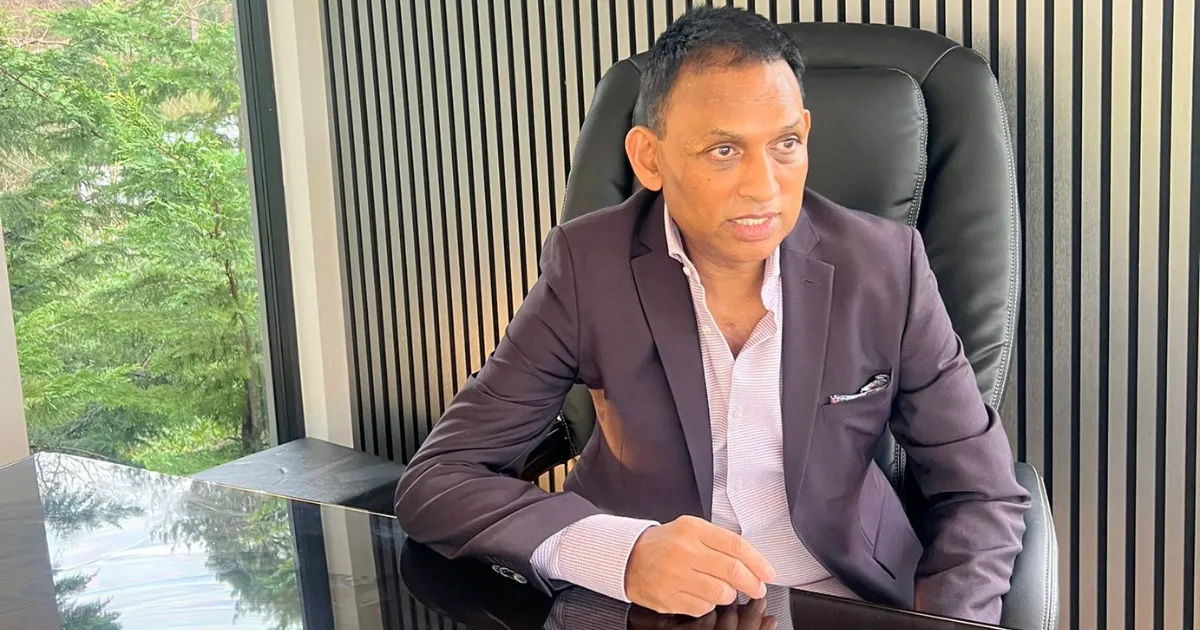
The concept of Sheth Jeebun healthcare director UK highlights the importance of skilled leadership that aligns operational goals with human-centered care.
In this comprehensive guide, we will explore the key leadership considerations in long-term care facilities, including communication, staff development, ethical decision-making, regulatory compliance, and resident-centered approaches. The aim is to provide clear, practical insights that are easy to understand and apply.
Leadership in Long-Term Care
Leadership in long-term care facilities involves guiding teams, managing resources, and ensuring that residents receive high-quality care. The role is complex because it combines healthcare knowledge with administrative responsibilities.
The idea behind Sheth Jeebun healthcare director UK emphasizes leadership that is both structured and compassionate. Leaders must balance efficiency with empathy, ensuring that every decision benefits both staff and residents.
Key Responsibilities of Leaders
-
Overseeing daily operations
-
Ensuring quality of care
-
Managing staff performance
-
Maintaining compliance with regulations
-
Supporting residents and families
Effective leadership means being present, approachable, and proactive. It also requires the ability to adapt to changing situations, such as health emergencies or staffing challenges.
The Importance of Vision and Mission
A strong leader begins with a clear vision. This vision defines what the facility aims to achieve and how it will deliver care.
The concept of Sheth Jeebun healthcare director UK highlights the importance of aligning leadership strategies with a clear mission. This ensures that all staff members work toward the same goals.
Creating a Clear Vision
A good vision should:
-
Focus on resident well-being
-
Promote dignity and respect
-
Encourage teamwork
-
Support continuous improvement
Leaders must communicate this vision regularly so that it becomes part of the facility’s culture.
Communication as a Core Leadership Skill
Communication is one of the most important aspects of leadership in long-term care facilities. Leaders must communicate clearly with staff, residents, and families.
The principles associated with Sheth Jeebun healthcare director UK stress open and honest communication as a foundation for trust and efficiency.
Types of Communication
-
Verbal communication during meetings
-
Written communication through reports
-
Non-verbal communication such as body language
Benefits of Effective Communication
-
Reduces misunderstandings
-
Improves teamwork
-
Enhances resident satisfaction
-
Builds trust among staff
Leaders should also encourage feedback and actively listen to concerns.
Staff Management and Development
Staff are the backbone of any long-term care facility. Leadership must focus on hiring, training, and retaining skilled employees.
The Sheth Jeebun healthcare director UK approach emphasizes continuous staff development to maintain high standards of care.
Training and Education
Regular training helps staff stay updated with best practices. This includes:
-
Clinical skills training
-
Safety procedures
-
Communication skills
Motivation and Retention
Leaders should:
-
Recognize achievements
-
Provide growth opportunities
-
Maintain a positive work environment
When staff feel valued, they are more likely to perform well and stay committed.
Ethical Decision-Making
Ethics play a major role in long-term care leadership. Leaders often face difficult decisions involving patient care, resource allocation, and staff management.
The framework of Sheth Jeebun healthcare director UK supports ethical leadership that prioritizes fairness and compassion.
Common Ethical Challenges
-
End-of-life decisions
-
Patient autonomy
-
Resource limitations
Principles to Follow
-
Respect for individuals
-
Transparency in decisions
-
Accountability
Leaders must ensure that all actions align with ethical standards and legal requirements.
Regulatory Compliance and Quality Assurance
Long-term care facilities must follow strict regulations to ensure safety and quality.
The Sheth Jeebun healthcare director UK model highlights the importance of compliance as a key leadership responsibility.
Areas of Compliance
-
Health and safety standards
-
Staff qualifications
-
Patient care protocols
Ensuring Quality
Leaders should:
-
Conduct regular audits
-
Monitor performance metrics
-
Implement improvement plans
Maintaining compliance not only avoids legal issues but also improves care quality.
Resident-Centered Care
Resident-centered care focuses on the needs, preferences, and dignity of individuals.
The philosophy behind Sheth Jeebun healthcare director UK promotes a personalized approach to care.
Key Elements
-
Respecting individual choices
-
Encouraging independence
-
Providing emotional support
Leaders must ensure that staff understand and apply these principles in daily care.
Crisis Management and Adaptability
Long-term care facilities often face unexpected challenges, such as health outbreaks or staffing shortages.
The Sheth Jeebun healthcare director UK perspective emphasizes the need for strong crisis management skills.
Steps in Crisis Management
-
Assess the situation
-
Develop a response plan
-
Communicate clearly
-
Monitor outcomes
Leaders must remain calm and decisive during crises.
Building a Positive Organizational Culture
Culture affects how staff interact with each other and with residents.
The Sheth Jeebun healthcare director UK approach supports creating a culture of respect, teamwork, and accountability.
Characteristics of Positive Culture
-
Open communication
-
Mutual respect
-
Continuous learning
Leaders play a key role in shaping this culture through their actions and decisions.
Financial Management and Resource Allocation
Managing finances is an important part of leadership in long-term care facilities.
The Sheth Jeebun healthcare director UK model includes efficient resource management to ensure sustainability.
Key Financial Responsibilities
-
Budget planning
-
Cost control
-
Resource allocation
Leaders must balance financial constraints with the need to provide high-quality care.
Technology and Innovation in Leadership
Technology is becoming increasingly important in long-term care.
The Sheth Jeebun healthcare director UK framework encourages the use of technology to improve efficiency and care quality.
Examples of Technology Use
-
Electronic health records
-
Monitoring systems
-
Communication tools
Leaders should stay updated with new technologies and train staff accordingly.
Collaboration with Families and Communities
Families play a vital role in the care of residents.
The Sheth Jeebun healthcare director UK philosophy promotes strong relationships with families and the community.
Ways to Collaborate
-
Regular updates to families
-
Involving families in care decisions
-
Community engagement programs
This collaboration improves trust and overall satisfaction.
Leadership Styles in Long-Term Care
Different leadership styles can be applied in long-term care settings.
The Sheth Jeebun healthcare director UK approach often combines multiple styles for effectiveness.
Common Leadership Styles
-
Transformational leadership
-
Servant leadership
-
Democratic leadership
Each style has its benefits, and leaders should adapt based on the situation.
Emotional Intelligence in Leadership
Emotional intelligence is the ability to understand and manage emotions.
The Sheth Jeebun healthcare director UK concept highlights emotional intelligence as a key leadership trait.
Components of Emotional Intelligence
-
Self-awareness
-
Empathy
-
Relationship management
Leaders with high emotional intelligence can handle challenges more effectively.
Continuous Improvement and Learning
Healthcare is constantly evolving, and leaders must keep learning.
The Sheth Jeebun healthcare director UK framework supports ongoing improvement and innovation.
Strategies for Improvement
-
Regular training
-
Feedback systems
-
Performance evaluations
Continuous learning ensures that facilities remain effective and up-to-date.
Challenges in Long-Term Care Leadership
Leadership in long-term care comes with many challenges.
The Sheth Jeebun healthcare director UK perspective helps address these challenges through structured strategies.
Common Challenges
-
Staff shortages
-
Financial constraints
-
Regulatory pressures
Leaders must develop strong problem-solving skills to overcome these issues.
The Future of Leadership in Long-Term Care
The future of long-term care leadership will involve greater use of technology, more personalized care, and stronger focus on staff well-being.
The Sheth Jeebun healthcare director UK approach will continue to guide leaders toward better practices.
Emerging Trends
-
Digital healthcare solutions
-
Increased focus on mental health
-
Enhanced training programs
Leaders must be prepared to adapt to these changes.
Conclusion
Leadership in long-term care facilities is a complex and demanding role that requires a combination of skills, knowledge, and compassion. From managing staff and ensuring compliance to providing resident-centered care and handling crises, leaders must be prepared to face a wide range of responsibilities.
The concept of Sheth Jeebun healthcare director UK serves as a valuable framework for understanding effective leadership in this field. It emphasizes the importance of communication, ethical decision-making, staff development, and continuous improvement.
Strong leadership directly impacts the quality of care provided to residents. It creates a positive environment for staff and builds trust with families and the community. As the healthcare landscape continues to evolve, the need for skilled and compassionate leaders will only grow.
By focusing on the key considerations discussed in this guide, leaders can improve their effectiveness and contribute to better outcomes for everyone involved. Long-term care facilities are more than just workplaces—they are communities where leadership truly makes a difference.